Home / Septic tank pumping
Septic tank pumping in Charleston, SC
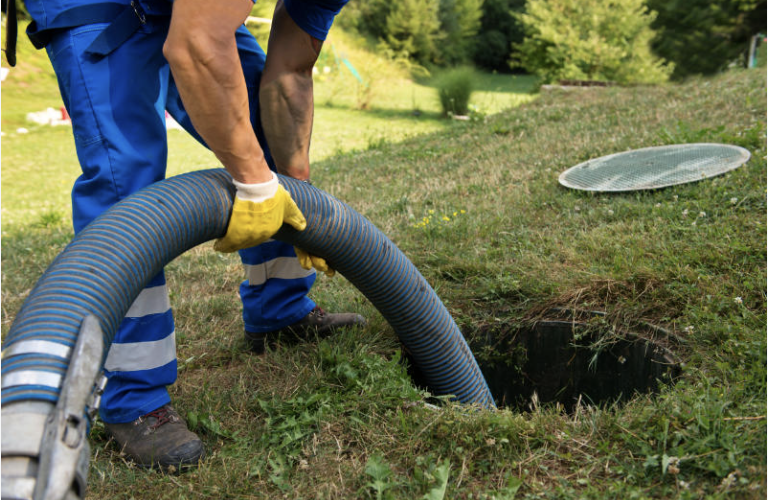
Regular pumping is the simplest way to protect a septic system. It removes the solids that build up in the tank before they can clog the drain field, which is far more expensive to fix.
Signs your tank may need pumping
If you notice any of these, it’s worth a call before a small problem gets bigger.
- Three or more years since the last pumping
- Slow drains around the house
- Gurgling sounds in the plumbing
- Sewage odors near the tank
- Lush, green grass over the drain field
- Water pooling in the yard
What’s included
Every system is different, so the work starts with finding the real cause.
Locating the tank
If you don’t know where your tank or lids are, they can be found and marked for next time.
Pumping the tank
Solids and liquids are removed and hauled away for proper disposal.
Checking key parts
Baffles, filters and the tank’s condition get a look while it’s open.
Advice for next time
You’ll get a suggested schedule based on your tank size and household.
How service works
Straightforward from the first call.
Call or send the form
Describe the problem and your address. Photos of the well head or tank lid help if you have them.
Diagnosis on site
The technician checks the system, finds the cause and explains your options.
Written price
You get the price before work begins, so there are no surprises.
Work and testing
Repairs are made, then the system is tested so you know it’s working.
Septic tank pumping questions
Call if you don’t see your question here.
How often should I pump my tank?
Every three to five years is typical for a household. Larger families, garbage disposals and rental use may mean more often.
Does a vacation rental need more frequent pumping?
Usually, yes. More guests mean more water and solids, so many rental owners pump more often than full-time residents.
Should I pump after a flood?
Wait until the ground has drained. Pumping a tank in saturated soil can sometimes shift the tank, so ask before scheduling.
Available in
Request service
(843) 973-7326Call and tell us what’s happening, or send the form with your address and the problem. Include the best number to reach you.